Healthy enamel is necessary to keep your teeth healthy and your smile radiant! When your enamel is lost or damaged, your teeth can become sensitive or discolored. Luckily, dentists can use tooth bonding to restore the strength of your teeth and prevent future damage. What Causes Damaged Tooth Enamel? There are many factors that can […]
The post Dental Bonding For Enamel Loss appeared first on East Valley Dental Professionals.
]]>Healthy enamel is necessary to keep your teeth healthy and your smile radiant!
When your enamel is lost or damaged, your teeth can become sensitive or discolored. Luckily, dentists can use tooth bonding to restore the strength of your teeth and prevent future damage.
What Causes Damaged Tooth Enamel?
There are many factors that can damage your tooth’s enamel. Eating certain acidic foods, certain medications, or even genetics can all be a factor in enamel damage. Some foods that can lead to enamel loss include soda, wine, lemons, oranges, and candy.
There can also be medical conditions that can cause tooth enamel damage over time. Acid reflux disease and gastrointestinal problems can both lead to tooth enamel damage.
Common Signs of Enamel Erosion
Individuals who suffer from enamel damage and erosion usually experience tooth sensitivity and tooth discoloration. Visual indications can also help identify enamel erosion. Cracks, chips, or indentations on the surface of a tooth could be a sign of enamel erosion. If you’re experiencing any symptoms of enamel damage, consider contacting a dental professional.
Cosmetic Dental Bonding for Enamel Loss
Dental bonding is often used in cases of enamel loss. The process of tooth bonding involves using a synthetic material to cover damaged areas. Bonding is color matched to your tooth’s color, so the finished product will look like a healthy, natural tooth.
If your damaged tooth has chips or dents, the synthetic material can also replace these areas to give your tooth a natural shape.
Dental Bonding Process
The first step in the cosmetic dental bonding procedure is to take dental x-rays. If you have any severe gun loss, tooth decay, or gum disease, you’ll need to correct those issues before you can be eligible for cosmetic dentistry.
Next, your dentist will match the shade of your tooth to composite resin. The material will need to be a similar color to your existing teeth to give it a natural-looking appearance. A color wheel is often used for this determination.
Your dentist will then prepare your tooth to allow the bonding to adhere correctly. This involves roughening the surface of the affected tooth.
The resin material will be applied to the area of enamel loss. In cases where teeth are chipped or nicked, the material will be shaped over the missing areas.
After the composite resin has been applied, the material needs to harden. A curing light is used to ensure the material bonds completely to the tooth.
Finally, your dentist will polish the material to create the final product. Adjustments will be made to ensure the finished appearance is a natural-looking tooth.
Dental Bonding Pros & Cons
Like with any cosmetic dentistry procedure, there are pros and cons to dental bonding. Some of the benefits of the process are as follows.
- No anesthesia is required
- The enamel does not need to be filled down, as is common in many other cosmetic dentistry solutions
- It is not as time-consuming as other dental procedures, usually, it can be finished within one visit
- It is similar and cheaper than many other cosmetic dentistry options
Some of the cons of dental bonding include the following.
- The materials are less durable
- The bonding material is less stain-resistant than other cosmetic dentistry options
When to Call the Doctor
Enamel is your tooth’s main defense against bacteria and other harmful conditions. You’ll want to contact your dentist if you think you might have enamel loss or are experiencing symptoms of enamel damage.
Dental bonding can prevent more enamel damage and harmful bacteria, so don’t hesitate to speak to a professional.
Have questions? Give East Valley Dental a call at 480-838-3033.
The post Dental Bonding For Enamel Loss appeared first on East Valley Dental Professionals.
]]>Once a tooth becomes infected, it’s important to get a root canal as soon as possible to prevent further damage. If left untreated, affected teeth might become exceedingly painful or you may require a tooth extraction. Here are the symptoms to look out for to determine if you need a root canal. What is a […]
The post Root Canal Symptoms appeared first on East Valley Dental Professionals.
]]>Once a tooth becomes infected, it’s important to get a root canal as soon as possible to prevent further damage. If left untreated, affected teeth might become exceedingly painful or you may require a tooth extraction.
Here are the symptoms to look out for to determine if you need a root canal.
What is a Root Canal?
Root canals are dental procedures done to clean and seal teeth that have become inflamed or have infected pulp. The pulp of a tooth is the soft tissue area underneath the dental crown, which is made up of the enamel and dentin of the tooth. It contains the blood vessels and nerves of the tooth.
When the pulp of a tooth becomes infected, it can cause severe pain that can eventually spread to other teeth. In these instances, a root canal becomes necessary.
To prevent the infection from spreading, the infected pulp is removed by a dentist and replaced with a sealant. A root canal also prevents or stops any tooth pain you might be experiencing from the pulp infection or damage. The root canal procedure typically lasts between 30 minutes to an hour, but the process could take longer in some cases. After your root canal, your tooth will continue to function as normal.
Most Common Root Canal Symptoms
Most patients don’t realize that their tooth is infected. It is usually impossible to see that a tooth is infected from the outside. To know if you are in need of a root canal, you’ll want to be aware of the symptoms.
1. Severe Toothache, Especially When Chewing or Biting
One of the most common symptoms to indicate a root canal treatment is needed is a severe toothache. Infected teeth often become painful, especially when eating. Biting will put pressure on the infected area, which can cause radiating pain.
This pain does not necessarily need to be in a localized area. It can also spread to other parts of your jaw or face. When a root canal is needed, this pain will often come and go, but last for a substantial amount of time.
2. Extreme Sensitivity to Hot and Cold Temperature
Feeling tooth sensitivity to heat and cold temperatures is not necessarily a cause for concern. However, if you experience any unusually severe sensitivity to hot or cold temperatures, you might have an underlying tooth issue. For patients needing a root canal, this feeling is usually a consistent and prolonged sensitivity.
3. Tooth Discoloration With Your Tooth Becoming Darker
Tooth discoloration can happen over time, and is not always a sign of poor dental health. Consuming wine or coffee can often stain your teeth without causing dental problems.
However, a tooth that becomes darker than the surrounding teeth is often an indication of a dying dental pulp. This will need to be removed through a root canal. Typically, this looks a blackish-gray color and is accompanied by frequent pain.
4. Pimple-Like Sores on Your Gums
Gum pimples are another indication of infection. They can appear on your gums and cause discomfort, an unpleasant taste, or bad breath.
5. Tender and Swollen Gums
Damaged teeth can also cause tender and swollen gums. If you experience any gum swelling, you’ll want to consult a dentist to identify the issue. Swelling can also spread to other areas of your face or neck.
6. Chipped or Cracked Teeth
Inflamed or infected teeth can also crack or chip. If you notice any cracks in your teeth, you’ll want to consult a dentist right away. A chipped or cracked tooth can be a cause of several dental issues, but this can cause pain or discomfort if left untreated.
7. Loose Tooth
An infected tooth can soften the jawbone that supports the tooth, which can make a tooth appear looser than normal. Tell your dentist right away if you think you have a loose permanent tooth.
When is a Root Canal Needed?
Root canals are typically caused by infection from an untreated cavity or external damage, like a crack or a chip. The procedure needs to be performed to prevent infection from spreading and to ease any pain the patient is experiencing.
The idea of a root canal can seem daunting to some people. But, it doesn’t have to be frightening. Millions of people receive root canals every year, saving infected teeth to restore dental health and produce a healthier smile.
Many patients are worried that a root canal procedure will be painful. In actuality, most patients feel immediate relief after the infected tissue is removed.
Root canals are considered both a safe and relatively simple procedure. While you won’t experience any significant pain after the root canal, you might have some temporary sensitivity. Any side effects from your root canal will lessen by about one week after the procedure.
If you think you might need a root canal call East Valley Dental Professionals at 480-838-3033.
The post Root Canal Symptoms appeared first on East Valley Dental Professionals.
]]>Dental implants can be an excellent investment toward a more confident smile. They can recover and replace damaged or missing teeth while making them look more natural and healthy. Think dental implants might be right for you? Read these 7 things you probably don’t know about dental implants. 7 Things You Probably Don’t Know About […]
The post What They Don’t Tell You About Dental Implants appeared first on East Valley Dental Professionals.
]]>Dental implants can be an excellent investment toward a more confident smile. They can recover and replace damaged or missing teeth while making them look more natural and healthy.
Think dental implants might be right for you? Read these 7 things you probably don’t know about dental implants.
7 Things You Probably Don’t Know About Dental Implants
1. Dental Implants Look Like Natural Teeth
Dental implants are designed specifically for you and your smile. They are customized to your teeth’s coloring, shape, and size to look and feel like your natural tooth.
The dental implant procedure involves permanently rooting the implant in your jawbone, allowing them to function as your natural teeth do. With artificial teeth, you can eat and talk as you normally would.
2. They Protect Your Existing Teeth
Having gaps from a missing tooth can negatively impact your remaining teeth. Left alone, other teeth will shift, which can cause swollen gums and jaw pain. Holes from missing teeth can also cause an infection that can spread to other healthy teeth.
Dental implants are not just for cosmetic dentistry. They both restore your smile and protect your dental health, preventing the negative effects from missing teeth.
3. Dental Implants Can’t Get Cavities
Dental implants are made from synthetic materials. This means that you can’t get cavities from your artificial teeth. However, you’ll still need to brush any artificial teeth, as you would for your natural teeth.
4. Anyone Can Get a Dental Implant
Missing teeth, tooth damage, infection, and decay can happen to anyone, at any age. Dental implants are the most effective way to correct these issues.
A permanent solution is the ideal way to prevent any further damage or pain. Discuss with your dentist to see if dental implants can help improve your oral health.
5. You Don’t Need to Replace Healthy Teeth
A common misconception of dental implants is that they need to replace all of your teeth. This might be the case for patients with mostly damaged or missing teeth. However, a majority of patients only require one or a few dental implants.
There’s no need to replace your healthy teeth. Tooth replacement is only necessary for any severely damaged or missing teeth. Your healthy teeth are free to stay!
6. Dental Implants Stabilize Your Jawbone
Losing teeth can be damaging to your jawbone. Without the need to support a tooth, the bone underneath can start to disappear. Implanting an artificial tooth can prevent this bone loss from occurring.
The loss of a healthy jawbone can also impact your remaining teeth. They can start to move and shift because of the diminishing stability in the jawbone. Dental implants offer stability, preventing any issues to your remaining teeth from structural bone damage.
7. Dental Implants are Super Easy to Take Care of
Adding a dental implant is a correction to your natural teeth. You can treat them as you would your normal smile, making them super easy to take care of. Outside of fixing any damage the artificial tooth might sustain, there’s no additional maintenance needed.
Brushing is the only regular maintenance you’ll need to take care of your artificial tooth. But like with your natural teeth, if you chip or break an implant you might need to repair or replace it.
Final Thoughts
Dental implants can improve the appearance and functionality of your smile. They can also help prevent damage and pain by protecting your dental health.
And, they’re cheaper than you might think. Schedule an appointment with East Valley Dental Professionals to see if dental implants might be right for you. Call us at 480-838-3033.
The post What They Don’t Tell You About Dental Implants appeared first on East Valley Dental Professionals.
]]>Veneers can go a long way in creating a long-lasting, beautiful smile, but they can get costly. To know how much your veneers will cost you’ll need to decide what type of veneer you want and how much additional work you’ll need to get a fuller, healthier smile. What are Dental Veneers? Veneers are a […]
The post How Much Do Veneers Cost appeared first on East Valley Dental Professionals.
]]>Veneers can go a long way in creating a long-lasting, beautiful smile, but they can get costly. To know how much your veneers will cost you’ll need to decide what type of veneer you want and how much additional work you’ll need to get a fuller, healthier smile.
What are Dental Veneers?
Veneers are a cosmetic dentistry tool used to improve your smile. They are installed over your existing teeth to create a whiter and brighter exterior. Veneers are a permanent solution to cover discoloration, chips, and other anomalies in your teeth. You can choose to have one veneer or multiple, depending on how many teeth you aim to correct.
How Much Do Dental Veneers Typically Cost?
The price of veneers depends on a few factors: what materials your veneers are made of, how many veneers you want, and how much preparatory dental work you need.
On average, dental veneers cost anywhere from $800 to $1,500 per tooth. To find out how much your veneers might cost, you first need to decide what type of veneer you’re interested in.
Different Types of Veneers and Cost
The cost of a veneer is mainly determined by its materials. For higher-quality materials, your costs will go up. However, high-quality materials will also give you a stronger and longer-lasting veneer.
Porcelain Veneers
Porcelain veneers are one of the most common types of veneers. They are made from high-quality materials and tend to be the most natural-looking option. They can, however, be relatively expensive. Typically, porcelain veneers cost between $500 – $2,500 per tooth. Porcelain veneers can last as long as 20 years and will usually last at least 10.
Composite Veneers
Composite veneers tend to be less expensive than porcelain veneers, but they are also of lower quality. Composite veneers made are made of composite resin and usually last around 5 years. When made in a dentist’s office, resin veneers average around $800 per tooth while lab-grade composite veneers tend to cost around $1,000 per tooth.
Removable Veneers (Temporary Veneers)
If you’re looking for a veneer option that won’t break the bank, temporary veneers might be for you. They’re priced at only about $55 per tooth. Temporary veneers work similarly to permanent veneers; they fit on top of the affected tooth and function as your normal tooth would.
However, with the reduced price tag there are some drawbacks to removable veneers. They don’t look as natural as permanent veneers and they can’t be worn all of the time. Overusing temporary veneers can cause irritation to your gums.
Other Factors That Affect Cost
Besides the quality of the materials, there are other factors that can influence the cost of your veneers. Most notable is the cost of dental work that needs to be done. If you require additional visits or procedures, the cost will go up.
Number of Dental Visits Needed
If no additional dental visits are required, you’ll need an initial exam and a dental cleaning before you get your veneers installed. A set of X-Rays might also be needed.
Depending on what needs to be done, each dental visit costs around $100. Keep in mind that dental visits might be covered or partially covered by your dental insurance so see what your specific insurance plan will cover.
Additional Treatments
If you’re in good dental health no additional treatments will be needed before you get your veneers. But if you have any underlying dental problems, you might need to get additional dental procedures to address these issues before you can get started with your veneers.
If you require a root canal, dental decay, or other dental care procedures you will likely need to get these fixed before you can have any cosmetic dentistry procedures.
The Number of Teeth To Be Veneered
It is important to consider that these costs are per tooth, so every additional tooth you need is going to increase the overall price. If your veneers cost 1,200 but you need 3 teeth done, you’re total cost is going to be $3,600 ($1,200 x 3). Keep in mind how many teeth you intend to get veneers for when considering the price.
Can I Finance Dental Veneers?
Most dentists offer payment plans to help you finance your veneers. To find out your financing options, contact your dental office. They can provide you with specific information about fees and interest rates for financing veneers.
Are Dental Veneers A Good Investment?
The value of a dental veneer investment depends on how much you value your smile and oral health. If you want to feel more confident in your smile, consider calculating what dental veneers might cost for you. The true value of veneers is a personal one, so determine what a healthy smile means to you.
Other Options Are Available to Improve Your Smile
If you’re frustrated with your smile but aren’t sure if dental veneers are right for you there are other dental cosmetic tools available. Dental implants, teeth whitening, or other cosmetic dentistry options might be right for you. Schedule a consultation with your dentist to explore what cosmetic options best fit your smile.
The post How Much Do Veneers Cost appeared first on East Valley Dental Professionals.
]]>Veneers and Implants are effective ways to create a fuller, healthier smile. Both procedures correct gaps, chips, discoloration, and missing teeth to give you more confidence in your smile. So how do you know which procedure is right for you? In this article, we’ll dive into everything you need to know about dental veneers and […]
The post Veneers vs Implants appeared first on East Valley Dental Professionals.
]]>Veneers and Implants are effective ways to create a fuller, healthier smile. Both procedures correct gaps, chips, discoloration, and missing teeth to give you more confidence in your smile. So how do you know which procedure is right for you?
In this article, we’ll dive into everything you need to know about dental veneers and implants.
What is a Dental Veneer?
Veneers are a common cosmetic dentistry tool used to correct tooth discoloration, chips, tooth gaps, and other minor tooth damage. Similar to crowns, veneers sit on top of your natural teeth to create a more durable exterior.
Dental veneers are made from durable layers of material that can be bonded to the front of your teeth. There are two types of veneers: Composite Veneers and Porcelain Veneers. Porcelain veneers are more durable, but they can also be more expensive.
Veneers sit over the surface of a tooth, working with your natural teeth to create a whiter and fuller smile.
What is a Dental Implant?
Dental implants are similar to dental veneers in that they improve the cosmetic and functionality of your smile. Dental implants are artificial teeth made to replace heavily damaged or missing teeth.
This procedure involves inserting a titanium implant into the patient’s jawbone to secure the artificial tooth in place. The implant functions as a normal tooth would, allowing the patient to eat, talk, and smile more effectively.
A dental implant procedure is longer and more involved than veneers and can take several months.
How to Decide Which Dental Procedure is Right for You
Both dental implants and veneers can have great benefits in improving a patient’s smile and overall dental health. It can be difficult to identify which option is best for your specific dental needs. Here’s an outline of how to determine which dental procedure is best for you.
How Damaged Is Your Tooth?
The right procedure for a particular patient depends on the amount of damage to the tooth. Typically, a more damaged tooth is more suited to a dental implant. An artificial tooth would be necessary if the tooth is too damaged to function properly. In the case of a missing tooth, dental implants offer a more appropriate solution.
More minor damage can be addressed by dental veneers. Veneers work as a cover, offering additional protection to the existing tooth underneath. They often serve mainly as a cosmetic solution, providing an alternative appearance to a tooth.
Do You Need Bite Correction?
If you need a bite correction, dental implants may be the better option for you. Dental implants work well when implementing bite corrections from missing teeth. Implants fill gaps from missing teeth to correct bite alignment. Veneers can address any cosmetic needs from smaller gaps between teeth but do not improve any functionality issues that might arise.
How Permanent is the Solution?
Implants are more permanent than veneers. They are designed to last forever and will only require additional procedures if they become damaged. Veneers, on the other hand, typically last between 10-15 years. Veneers will require realignment and maintenance after about 10 years.
How Much Do Implants Cost vs Veneers?
Both dental implants and veneers are customized, quality solutions for damaged teeth. However, they involve high-quality materials and a significant amount of dentistry work to implant which can increase their cost.
The cost for each procedure can vary depending on the patient. Dental veneers cost somewhere between $1,000 and $4,000 per veneer. Dental implants can cost anywhere from $3,000 to $4,500.
However, additional costs may also be associated with each procedure. Veneers will create additional costs through servicing and maintenance needs, typically every 10 years or so. Implants can have additional costs if supplementary procedures are needed, such as bone grafts. Bone grafts are necessary when there is too much bone damage to properly support and stabilize the implant.
These costs may seem high but are an affordable option when compared to alternative dental procedures.
Dental insurance may also cover much of the costs of these procedures for patients who need them. Check with your dental insurance provider to see what your out-of-pocket costs may be.
How Can We Help
Ready to become more confident in your smile? We’re here to answer your cosmetic dentistry questions.
EVDP is a full-service family practice that provides top-quality care for local patients. Give us a call at (480) 838-3033.
The post Veneers vs Implants appeared first on East Valley Dental Professionals.
]]>If you have been less than happy with your smile you may have considered getting dental veneers. Dental veneers provide smile transformations that allow you to have your dream smile with little discomfort. Dental veneers have a life expectancy of 15 to 20 years with proper care. Continue reading to learn more about the dental […]
The post What Are Temporary Veneers? appeared first on East Valley Dental Professionals.
]]>If you have been less than happy with your smile you may have considered getting dental veneers. Dental veneers provide smile transformations that allow you to have your dream smile with little discomfort.
Dental veneers have a life expectancy of 15 to 20 years with proper care. Continue reading to learn more about the dental veneer process, if they are right for you, and how to properly care for your veneers.
Temporary Veneers vs Permanent Veneers
Part of the process of having permanent veneers is that the dentist will need to reshape the tooth surface. Once this is done, they will take an impression of your teeth. This impression will be used to create the porcelain veneer.
It can take a few weeks for the permanent porcelain veneers to be created. From the time of the first appointment to when you receive the call that your permanent veneers are ready you will be wearing temporary veneers.
Temporary dental veneers are typically made from composite resin but can be made from other materials like acrylic or dental wax. Once the permanent veneer is ready, the dentist will remove the temporary one and place the permanent one.
Temporary veneers are vital because they protect the natural tooth, similar to the enamel that the dentist sands down. If you did not use a temporary veneer you could experience tooth sensitivity or even further damage to the natural teeth.
Are Dental Veneers Right for Me?
If you are looking to correct a tooth imperfection with little discomfort, then dental veneers may be right for you. They can correct the following issues with ease:
- Stained or Blemished Teeth
- Chipped Teeth
- Crooked Teeth
- Gaps Between Teeth
Dentists can change the shape and color of your teeth to create the perfect smile.
Cost of Permanent Veneers
Since veneers are a part of the cosmetic dentistry industry, some insurance will not cover the cost. Keep in mind that the procedure is completed in approximately three appointments. Custom porcelain veneers can range between $950 to $2500 per tooth.
Caring for Temporary Veneers
The best rule of thumb is to care for your veneers as you would your natural teeth, but more gently. Veneers are not as durable as natural teeth and you do not want to do anything that could damage them.
Tips for Veneer Longevity
- Brush Twice a Day for 2 Minutes
- Floss Thoroughly Once a Day
- Schedule Regular Cleanings and Maintenance
- Avoid Chewing Ice
- Avoid Biting Nails
- Avoid Opening Packaging with Teeth
- Avoid Dark Colored Foods like Coffee and Soda
- Avoid Tobacco Use to Prevent Staining
Dentists recommend avoiding sugary foods to protect the natural teeth underneath the veneer. Also, sticky foods such as caramel can make your temporary veneer lose. It is best to avoid dark foods and drinks like coffee to avoid staining the veneers.
Lastly, cosmetic dentists recommend the use of a night guard if you find that you are grinding your teeth while sleeping. This will prolong the life of the veneer by preventing cracking and chipping.
Dental Professionals for Porcelain Veneers
Porcelain veneers are one of the many cosmetic dental procedures that are performed at East Valley Dental Professionals. Other cosmetic procedures include porcelain crowns, teeth whitening, and dental bonding.
EVDP is a full-service family practice that has been providing top-quality care for local patients for many years. Contact our team of professionals at (480) 838-3033 for an appointment today.
The post What Are Temporary Veneers? appeared first on East Valley Dental Professionals.
]]>If you have been considering improving your smile then you may have considered temporary veneers or even permanent veneers. Both dental procedures have a similar process and the veneers can be made from various materials. Types of veneer materials include porcelain, ceramic, or composite resin veneers. Porcelain is the easiest material to color-match with the […]
The post How Much Do Porcelain Veneers Cost? appeared first on East Valley Dental Professionals.
]]>If you have been considering improving your smile then you may have considered temporary veneers or even permanent veneers. Both dental procedures have a similar process and the veneers can be made from various materials.
Types of veneer materials include porcelain, ceramic, or composite resin veneers. Porcelain is the easiest material to color-match with the rest of your natural teeth.
This article discusses porcelain veneers with an emphasis on who is a candidate for them as well as the procedure and the cost.
What are Porcelain Veneers?
Porcelain veneers are a thin, toothlike material that is attached to the surface of your natural teeth to improve the overall appearance. They are not intended to strengthen existing teeth but are used as a cover for imperfections.
Imperfections can include stained teeth, cracks, chips, breaks, or misaligned teeth. Veneers are an excellent solution for stained teeth that teeth whitening procedures have been unsuccessful to correct.
Who is a Candidate for Veneers?
If you have any of the following dental flaws, you may be a good candidate for porcelain veneers:
- Stained Teeth
- Small Imperfections such as Chips, Cracks, or Breaks
- Slightly Misaligned Teeth
- Multiple Cosmetic Issues (Stained Teeth, Chips, Misaligned Teeth, etc.)
It is also important that you can meet the following oral health criteria:
- Acceptable Amount of Tooth Enamel
- Healthy Teeth and Gums (No Gum Disease)
- Do Not Grind Teeth
- Maintain a Good Oral Routine
Listed above are the ideal conditions for anyone interested in dental veneers. One of the most challenging issues that dentists come across is that a patient does not have an adequate amount of tooth enamel.
The enamel can become too thin to support the thin shell of the veneer. Enamel erosion is caused by consuming sugary foods, poor oral habits, and genetics. Your dentist will confirm if you are eligible for veneers after they do a general mouth examination and measure your tooth enamel.
Dental Veneer Procedure
The process of getting dental veneers is completed over multiple visits to the dentist.
The first step in the process of getting permanent veneers is to have a one-half millimeter of enamel removed from each natural tooth that the veneer will be replacing. This process is completed with a handheld sanding tool. They do this so that the custom veneer will have a new healthy layer to adhere to.
Once the enamel of the tooth structure has been removed, the dentist will take an impression of the tooth, or teeth, so that the lab can recreate each tooth perfectly. After the lab has created the veneer, the dentist will check each tooth to confirm it is the correct size and color.
They will trim down the molded veneer to ensure that it fits properly before applying the bonding material. Once the veneer is in place they will apply pressure and a light source to solidify the bonding material or cement.
Finally, the dentist will remove any excess cement and check your bite to confirm it is in the appropriate spot. The dentist may have to take multiple bite strips to ensure that the veneer is placed properly.
Longevity of Porcelain Veneers
Due to the material being strong, porcelain veneers have an excellent life expectancy. They typically last a minimum of ten years but have been known to last up to twenty years with proper oral care.
Maintenance of Porcelain Veneers
The best way to increase the longevity of the veneer is to have excellent oral hygiene. You can do this by brushing your teeth twice a day, flossing once a day, using an antibacterial mouthwash, and visiting your dentist regularly. Not only will this increase the lifespan of the veneer, but it will also prevent cavities and gum disease.
It is best to avoid chewing hard foods like ice to prevent the veneer from cracking or chipping. Any food that is sticky like caramel needs to be avoided. It is recommended that patients form the habit of chewing with the back teeth instead of the front teeth to lessen the chance of damaging the veneer.
Lastly, if you grind your teeth at night, dentists recommend using a nightguard to protect the veneer from damage.
Cost of Porcelain Veneers
The cost of veneers varies by the material used, the location of the dentist, and the dentist’s experience. The cost includes the entire procedure from preparing your teeth to having the veneer placed.
Porcelain veneers range in price from $925 to $2,500 per tooth with the average coming in at $1,500 per tooth. The price of veneers depends on the location of the tooth and if dental contouring is required.
Since this is considered a cosmetic procedure, oftentimes dental insurance will not cover the cost of the entire procedure. However, each insurance company offers different benefits. Contact your insurance provider for more information on what cosmetic dentistry procedures they cover.
The good news is that the majority of dental offices offer payment plans. After checking with your insurance provider, contact your dental office to request an estimate and discuss payment options.
Dental Veneers at East Valley Dental Professionals
At East Valley Dental Professionals, we are dedicated to working with families and developing long-term relationships with our patients. If you desire a smile makeover contact our team of professionals at (480) 838 – 3033 to schedule an appointment today!
The post How Much Do Porcelain Veneers Cost? appeared first on East Valley Dental Professionals.
]]>Are you unhappy with your natural smile? Maybe you have been considering cosmetic dentistry for a smile makeover? If you have been debating on dental implants versus veneers then continue reading to learn about the porcelain veneer option. What Are Porcelain Veneers? Porcelain veneers are a thin, toothlike material that is attached to the surface […]
The post Porcelain Veneers Before and After appeared first on East Valley Dental Professionals.
]]>Are you unhappy with your natural smile? Maybe you have been considering cosmetic dentistry for a smile makeover? If you have been debating on dental implants versus veneers then continue reading to learn about the porcelain veneer option.
What Are Porcelain Veneers?
Porcelain veneers are a thin, toothlike material that is attached to the surface of your natural teeth to improve the overall appearance. They are not intended to strengthen existing teeth but are used as a cover for teeth whitening or a straight smile. Porcelain is the easiest material to color-match with the rest of your natural teeth.
Do Veneers Need to Be Replaced?
Although veneers can be made from composite materials, porcelain is known as the strongest and longest-lasting material. They typically last a minimum of ten years but have been known to last up to twenty years!
Advantages and Disadvantages
As with any dental procedure, there will be pros and cons. Below we look at the most commonly discussed of each category.
Advantages
- Longer-Term Solution to Teeth Whitening
- Stain Resistant
- Easily Color Matches Natural Teeth
- Most Patients Do Not Experience Discomfort
- Longevity of 10 to 20 Years
- Material Does Not Irritate Gums
Disadvantages
- Cost More than Composite Materials
- Most Patients Can Not Afford Porcelain
- Can Not Be Repaired, Only Replaced
- Some Patients Experience Sensitivity to Hot and Cold
Patient Success Photos: Before and After
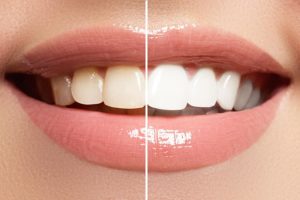
Below are photos of patients’ smile lines before and after porcelain veneers:
Maintenance of Porcelain Veneers
The best way to increase the longevity of the veneer is to properly take care of them. The easiest way to do this is with excellent oral hygiene. Not only will it make the veneer last much longer but it will also prevent cavities and gum disease.
Another way to maintain the veneer is to avoid chewing hard foods like ice. This is to prevent cracking or chipping of the veneer. Any food that is hard or sticky (think caramel) should be avoided.
It is best to form the habit of chewing with the back teeth versus the front teeth to lessen the chance of damaging the veneer and if you grind your teeth at night, dentists recommend using a nightguard for added protection.
Porcelain Crowns at East Valley Dental Professionals
At East Valley Dental Professionals, we are dedicated to working with families and developing long-term relationships with our patients.
If you are uncertain of a procedure that was recommended for you, we offer free second opinions with no strings attached. Contact our team of professionals at (480) 838 – 3033 to schedule an appointment today!
The post Porcelain Veneers Before and After appeared first on East Valley Dental Professionals.
]]>Oftentimes, patients will request that their dental crowns and dental implants be as white as possible because teeth whitening has become a popular trend. The problem with this trend is that natural teeth are darker than most people realize. One thing to consider is what material your crown will be made from such as metal, […]
The post Color Options for Dental Crowns: Choosing the Right Shade appeared first on East Valley Dental Professionals.
]]>Oftentimes, patients will request that their dental crowns and dental implants be as white as possible because teeth whitening has become a popular trend. The problem with this trend is that natural teeth are darker than most people realize.
One thing to consider is what material your crown will be made from such as metal, resin, ceramic, or porcelain fused to metal. Metal crowns alone are not able to match the surrounding teeth, however, porcelain fused to metal crowns can closely color match. Ceramic and porcelain crowns are the best at color-matching natural teeth.
If your crown or implant can not be pearly white, then what color should it be?
What Color Are Dental Crowns?
Dental professionals refer to teeth having shades instead of one particular color because there are four shade combinations to choose from:
- Red/Brown
- Red/Yellow
- Grey
- Red/Grey
The goal is to keep the shade as close to your existing teeth as possible. Selecting a shade is far more important on the front teeth than the back teeth because if the shade is off on the front teeth it will be obvious.
How to Choose the Right Shade?
When selecting a dental implant/crown color there are a variety of shades. Natural teeth can vary in color, especially if you are experiencing any type of damage such as tooth decay.
If you are selecting a shade for one dental crown that is covering a root canal the selection process is a little different. You will want your dentist to suggest a color that matches the color of your surrounding teeth.
It is important to keep in mind skin tone, hair color, and even eye color when selecting from the shade guide. It is easier to select a particular shade with dental implants because all of the teeth will be made in the same shade.
Using a Shade Guide
If you are worried about selecting the perfect color for your crown, keep in mind that your dentist is an experienced professional. They do this procedure often and know what to look for in office lighting. Chances are very high that whatever color they choose you will not be able to tell which tooth has a crown and which teeth are natural!
Dentistry is a perfect blend of science and art. During the first visit of the crown procedure, the dentist will use a shade guide to help choose the perfect color. A shade guide is typically a plastic card that has fake porcelain teeth of various shades arranged in order from light to dark. They will ask you to smile and do their best to choose a shade from the guide that represents the majority of your natural teeth.
The dentist will show you the color they believe is the best match and will confirm that you agree. If you have a different shade in mind, make sure you speak with the dentist immediately. Once a shade is selected, the impression and color choice are sent to the lab to create your permanent crown. Shade guides are incredibly helpful and allow both the patient and dentist to confidently select the perfect color.
Dental Crowns and the East Valley Dental Professionals
At East Valley Dental Professionals, we are dedicated to working with families and developing long-term relationships with our patients. If you are uncertain of a procedure that was recommended for you, we offer free second opinions with no strings attached. Contact our team of professionals at (480) 838 – 3033 to schedule an appointment today!
The post Color Options for Dental Crowns: Choosing the Right Shade appeared first on East Valley Dental Professionals.
]]>Dental crowns are most commonly used to protect a weak tooth, restore a broken tooth, or hold a dental bridge in place. They can be made of various materials such as metal, ceramic, or porcelain. If properly cared for, a dental crown can have a lifespan of 25-30 years! The most common reasons that a […]
The post Loose Dental Crowns and Temporary Solutions appeared first on East Valley Dental Professionals.
]]>Dental crowns are most commonly used to protect a weak tooth, restore a broken tooth, or hold a dental bridge in place. They can be made of various materials such as metal, ceramic, or porcelain. If properly cared for, a dental crown can have a lifespan of 25-30 years!
The most common reasons that a crown would need to be replaced is if it is chipped, falls out, or if biting down brings tooth sensitivity. There are times that the crown may become loose but not fall out. Continue reading to learn what to do if you are dealing with a loose crown.
Why is my Crown Loose?
Listed below are the most common reasons that a crown will become loose.
Teeth Grinding
The act of repetitive clenching or grinding of the teeth will cause the crown to crack or become loose. This is because of the pressure that is regularly being applied to the tooth.
Tooth Decay
Tooth decay is due to a lack of proper oral hygiene. When there is tooth decay present, it can change the structure of the tooth resulting in the crown becoming loose.
Mouth Trauma
Any form of trauma can cause a crown to become loose. The most common example is sporting injuries. The crown’s adhesive can become weakened with impact.
Consuming Certain Foods
Although dental adhesive is very effective at keeping crowns in place, certain foods should be avoided. Any type of sticky food such as caramels, taffy, and chewing gum. These foods can loosen or even pull out the crown.
Dental Adhesive Issues
When the dentist places the temporary crown they will use temporary dental cement. This cement is not meant to last forever. If you still have a temporary crown, it may become loose due to the temporary cement.
Seldomly, there can be an issue with the permanent cement that dentists use when placing the permanent crown. If the crown becomes lose it is usually due to one of the causes listed above.
Treatment of a Loose Crown
You’ve noticed that your permanent dental crown is loose; what should you do now? The first step is to make an appointment with your dentist. At your dental appointment, they will be able to confirm that the tooth and crown are still in good shape. If there is decay present, they will need to discuss treatment options.
In the meantime, you need to see how loose the crown is. Pinch the crown and gently attempt to remove it on your own. It is important to do this because you need to avoid ingesting the crown at all costs. If it wiggles free easily, make sure to put it in a safe place until your dental appointment.
If it does come out, brush your natural tooth gently with a toothbrush to remove any debris or cement. It is recommended to consume food and drinks that are sugar-free since the natural tooth is exposed and is more susceptible to decay.
If it does not wiggle free easily – leave it alone! During meals make sure you eat with the opposite side of your mouth. Any type of continual disturbance can damage the inside of the crown. If this happens a new crown will need to be molded.
If the crown has come out and you are experiencing sensitivity there is the option of using an over-the-counter dental adhesive that you can find at most pharmacies and grocery stores. This is an extremely temporary solution until you can meet with your dentist for further assistance.
Preventing Crown Issues
The best way to prevent dental crown issues is to be proactive in oral hygiene. It is imperative to brush twice a day, floss after each meal, and use an antiseptic mouthwash to prevent tooth decay.
The mouth is full of bacteria that can cause decay, gingivitis, and cavities. Practicing good oral hygiene ensures that bacteria and plaque can not build up around the crown causing further issues.
If you have dental crowns it is even more important to maintain regular dental care visits. Routine visits, such as regular cleanings, can prevent future dental emergencies. During routine cleanings, the hygienist will be able to assess your gum line and ensure there are no teeth that need immediate attention.
Dental Crowns and the East Valley Dental Professionals
At East Valley Dental Professionals, we are dedicated to working with families and developing long-term relationships with our patients. If you are experiencing issues with a dental crown we offer free second opinions with no strings attached. Schedule an appointment with us to begin improving your dental health today!
The post Loose Dental Crowns and Temporary Solutions appeared first on East Valley Dental Professionals.
]]>Are you less than happy with the smile that looks back at you when you glance in the mirror? There are many ways to fix this predicament. Perhaps you’ve felt this way for years, but you’re just now ready to do something about it. But, after a quick google search, you may have found that […]
The post Which Should You Choose: Veneers Vs Lumineers? appeared first on East Valley Dental Professionals.
]]>Are you less than happy with the smile that looks back at you when you glance in the mirror? There are many ways to fix this predicament. Perhaps you’ve felt this way for years, but you’re just now ready to do something about it. But, after a quick google search, you may have found that there are so many different options for restorative work that it’s tough to know which approach is best for your situation.
The best way to decide which cosmetic dentistry solution is best for the type of work you need is to have a conversation with a trusted dentist. But it is always wise to go into a conversation with at least a little bit of knowledge and information, so we are here to help you understand the pros and cons and basics of the differences between dental veneers and Lumineers.
Who Needs Veneers?
To begin to understand the difference between these two, it is best to decide if this is the type of restorative dental work that you need. When you have discolored, broken, or chipped teeth, you can become self-conscious about your smile. To fix this, dental professionals have developed methods for restoring your smile to its perfect condition without having to remove healthy teeth. That is where veneers come in.
If you are unhappy with your current smile because you are missing teeth or have severely damaged teeth, veneers are not the proper solution for you. Your dentist may recommend a crown or implant for you to protect damaged teeth and gums.
What are Veneers?
Veneers are a cosmetic solution to discolored teeth, stained teeth, chipped teeth, or gaps between teeth that are otherwise healthy. They are made by placing a thin cap in front of healthy teeth and securely bonding them in place. They do not cover the entirety of the tooth as a crown does and therefore do not strengthen or protect the tooth, they only improve the look of the natural tooth. Traditionally, veneers can be made of porcelain or composite resin.
To ensure a snug and correct fit, dentists must prep veneers by shaving the tooth enamel of the natural teeth down so that the veneers are not too bulky. Therefore, veneers are a permanent solution and cannot be reversed. They typically cost between $900-$2500 per tooth and can last 20 years if they are properly cared for.
Those who wish to see a perfectly straight and bright smile staring back at them often opt for veneers.
What are Lumineers?
Lumineers are not a type of cosmetic dentistry on their own but are a brand type of veneer. Lumineers are exclusively fabricated by DenMat Labs as a veneer that requires less preparation. Lumineers are made of an ultra thin porcelain material and are directly bonded to your teeth without shaving them down, therefore, they are sometimes referred to as no-prep veneers. Because of the thin material and lack of prep, they are considered less permanent than traditional porcelain veneers. But this also allows them to be reversible if you change your mind in the future.
Because Lumineers require less prep work, they are often less expensive than their permanent counterparts, but they also do not tend to last as long, with a life of about 10 years. For those on a budget or for those with teeth that are not severely discolored, Lumineers are an excellent cosmetic option. Not all dentists provide Lumineers, but they may have another ultra-thin veneer option available.
Looking for a Dentist’s Opinion?
When debating whether you should go with traditional Veneers vs. Lumineers, it is best to consult with a dentist that you trust will be honest with you and will keep your best interest in mind. A dental professional is the best person to answer these questions because they can assess the shape and condition of your smile, your lifestyle, and your other dental needs and answer all of your questions.
At East Valley Dental Professionals, we provide many different services for perfecting your smile. We are available to apply Veneers and Lumineers, or we may be able to find a straightening or whitening solution for you if that is a better fit.
In any case, our patients are our priority, and we are happy to answer all of your questions and even offer second opinions at no cost to you. Call us today if you are ready to chat about your smile.
The post Which Should You Choose: Veneers Vs Lumineers? appeared first on East Valley Dental Professionals.
]]>Has your smile changed over the years? Or perhaps you have always been unhappy with your smile, so you’ve learned the trick of smiling with a closed-mouth smirk? In either case, you don’t have to live with a smile that you aren’t proud to show off. Dental veneers are an invention in cosmetic dentistry that […]
The post How Long Do Veneers Last? appeared first on East Valley Dental Professionals.
]]>Has your smile changed over the years? Or perhaps you have always been unhappy with your smile, so you’ve learned the trick of smiling with a closed-mouth smirk? In either case, you don’t have to live with a smile that you aren’t proud to show off.
Dental veneers are an invention in cosmetic dentistry that gives your natural teeth a boost when they are discolored, chipped, or disproportionate.
What Are Veneers?
Veneers are thin shells of tooth-like material that are attached to the front of a natural tooth. They differ from tooth crowns in that they are not intended to strengthen weakened teeth but are used as a covering for teeth with visual imperfections. Therefore, they are a cosmetic solution, not an oral health solution.
If you have a tooth or teeth that bother you because they are discolored, chipped, or too big or small for your mouth, veneers may be a solution for you. Continue reading to learn more about
Do Veneers Need to Be Replaced?
Are you wondering if veneers are a permanent solution? The answer depends on what they are made of and how you treat them with your dental hygiene practices.
Most dental professionals prefer to use porcelain veneers because they are made of a translucent thin layer of glass that closely mimics natural teeth. They are the material that is most easily blended with your natural smile. These typically last at least 10 years, sometimes even up to 20 years. Though, these are the most expensive option.
If you are looking for a more budget-friendly option, composite veneers are your next best choice when it comes to veneer material. These are made of a composite resin with porcelain. They are a bit bulkier than full porcelain but still blend well with your natural smile. They are a less expensive option with an average lifespan of 5-10 years.
But, no matter the material you choose, the level of care you give your veneers will ultimately determine their longevity.
How to Help Your Veneers Last Longer
Veneers of any material will last longer and need fewer replacements if you take care of them properly. Implementing good oral hygiene practices will not only prevent gum disease and cavities but will also keep your veneers in excellent shape.
Do you grind your teeth at night? If so, wearing a mouthguard is the best way to prevent your veneers from cracking or wearing thin. Additionally, you should avoid chewing hard or sticky foods such as ice and caramel or toffee-coated candies. Another way to avoid early replacement of your veneers is to avoid using your teeth to open bottles, untie knots, or rip off tags.
Veneers at EVDP
Are you interested in giving your smile an upgrade with veneers? At East Valley Dental Professionals, we specialize in “smile makeovers.” If you are unhappy with your smile, schedule a visit with us. We can discuss if you are a candidate for veneers. We also have many other procedures available in the cosmetic dentistry realm, such as porcelain crowns, teeth whitening, dental bonding, and more.
Don’t suffer through your life with a smile you don’t love, call us today.
The post How Long Do Veneers Last? appeared first on East Valley Dental Professionals.
]]>